OCD Therapist Reacts to Reddit: Real Questions Answered
Feb 11, 2026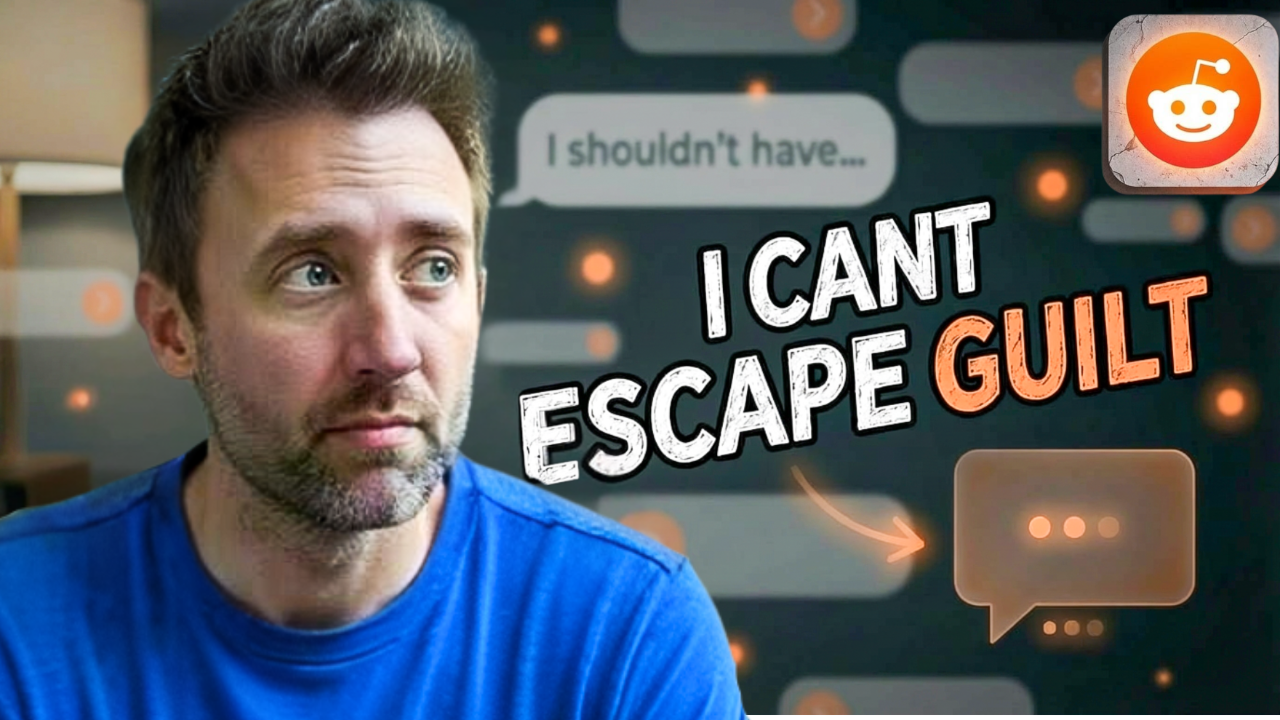
An OCD specialist scrolls through the OCD subreddit and responds to real posts about unusual fears, reassurance seeking, confessing compulsions, and how to know when you're feeding OCD vs. genuinely seeking support.
Why I Love Answering OCD Questions on Reddit
One of my favorite things to do is go on Reddit and answer questions about OCD.
Why? Because you get to learn along the way.
How would I treat this person? What can they do? How does this apply to me?
As a licensed clinical social worker specializing in OCD treatment for over 15 years, I see patterns in these questions that reveal something important about how OCD works.
So I went to the OCD subreddit, refreshed the page, and started responding to real posts.
Here's what I found.
Post #1: "Scared of Being Pregnant as a Guy"
"I know this sounds hilarious, but it's not. I'm really scared of being pregnant. The weird thing is I'm a guy and straight. It just doesn't make sense. I also don't know if it's OCD or psychosis, but I really need help. I can't lie on my arm or my belly without being scared that I could hear a heartbeat."
What's Really Happening Here
This sounds absurd, right?
But here's what we know about OCD: logic doesn't matter.
You could have a fear of being pregnant as a guy. And as this person says: "I know this is weird. I know this doesn't make sense."
What keeps OCD alive is trying to make sense of it.
Saying things like:
- "No, I'm a guy. That can't happen."
- "That heartbeat I'm feeling isn't a baby."
- "This doesn't make logical sense."
The more you try to prove it wrong, the stronger it gets.
The Treatment Approach
Instead, we use Exposure and Response Prevention (ERP).
Our job is to be more uncertain.
Yeah, we know you're a guy and you're not going to get pregnant.
But we use responses like:
- "Maybe. Maybe not. I don't know."
- "Could be. Sure. Maybe."
- "I hope so. Hope it's a boy. Hope it's a girl."
Making light of it takes power away from the fear.
Exposures Might Include:
- Listening to a heartbeat recording
- Watching videos about pregnancy
- Writing down the word "pregnancy" repeatedly
- Lying on your stomach and embracing the fear
What About the Psychosis Question?
This person asked: "I don't know if it's OCD or psychosis."
Here's the deal:
If you have legitimate concerns, go see somebody. Get it checked out. Do the tests.
If they say "This is OCD," then you go with OCD.
If in the future you wonder "Is this psychosis?" you go with OCD—because that's what you were diagnosed with.
Don't keep re-diagnosing yourself. That becomes another compulsion.
Post #2: What Age Were You Diagnosed?
"Just wondering. Share if you're comfy."
The Responses Were All Over the Map
People answered:
- In my 30s
- I was 11
- 15 or 16
- 40s
- 31
- 11
- 7
- 23
- 6 or 7ish
- 67
Everyone gets diagnosed at different times.
Some people spend decades not knowing what they're experiencing is OCD.
Hopefully, we catch this sooner and sooner in people's lives so they can get the treatment they need.
Post #3: The Urge to Confess
"The urge to confess with OCD is actually hilarious sometimes. When I was a teen, I used to have a somewhat unusual fetish. I won't go into detail. I told my mom. I was so embarrassed. OCD kept saying, 'What if she died tomorrow and she went to the grave not knowing every detail about her child?'"
The Confessing Compulsion
Sometimes we have normal thoughts that cause a little distress:
"What if I didn't share everything I need to?"
And then it kind of just goes away.
But when it's OCD, there's urgency:
- "I need to know for sure RIGHT NOW."
- "I need to confess."
- "Even if this makes no sense, I HAVE to tell someone."
My Own Confession
When I moved to my first apartment, I took a hammer out of my dad's toolbox.
I just kept it. I needed a hammer.
I never told him about it.
He might go to his grave never knowing I stole his hammer.
I've had that thought: "Should I tell him I stole his hammer?"
(Dad, I actually gave it back. Just put it right in the toolbox. You didn't even know.)
The Point
Sometimes we do things. Sometimes we have thoughts. Sometimes we have experiences we can just keep to ourselves.
Unless it's part of your value system to confess, you don't need to tell everyone everything.
Post #4: How to Stop Believing Thoughts
"My thoughts feel so urgent and 100% true to the point where it only seems logical to engage in the compulsion. How do you recognize it's just OCD?"
The Pattern of OCD
Here's how it works:
- You get an urge or feeling
- It brings up a threat or danger
- "If you don't follow through with my rules, something bad will happen"
- You do a compulsion to make it go away
Even trying to figure out "Is this OCD or not?" can be a compulsion.
Because each time you ask "Wait, is it OCD? Is it not?" you're seeking certainty.
The Rule I Use
If you're even asking if it's OCD, we're just going to say it's OCD.
That might be the rule you create for yourself.
What Reddit Users Said
One person responded perfectly:
"I just accept that thought as an intrusive thought. Everyone has them. I know it seems counterintuitive, but the way to stop believing thoughts is just sort of let them be there and stop trying to figure it out."
Exactly.
You don't argue with the thought. You don't prove it wrong. You just let it exist.
Post #5: Is My Vacuum Cleaner Contaminated?
"I can't stand mice or rats. They make me want to clean this stuff and it's super triggering and frustrating."
The Problem With This Post
This was posted 19 minutes ago when I saw it.
Before you post something like this on Reddit, ask yourself:
"What do I want to get out of this?"
Do you want people to agree and say "Yes, that's disgusting, you need to wash everything"?
Or do you genuinely just want to share an experience?
Sharing Can Be a Compulsion
Often, just sharing a story can be a compulsion in a roundabout way.
Because you know people are going to answer and say:
- "Don't worry about it."
- "You're fine."
- "I wouldn't worry about it."
- "You don't need to wash things."
And that feels good temporarily.
But it's reassurance-seeking, which keeps OCD alive.
How to Share Without Compulsion
If you want to share an experience without turning it into reassurance-seeking, preface it:
"This is not for reassurance. I just want to feel heard. This is an experience I'm going through. OCD is hard."
That way, people know not to reassure you—and you're being honest about your intention.
Post #6: Sensorimotor OCD
"Anyone else have this weird feeling on the back of their neck they are hyperfocused on? I developed it recently and it's awful."
One person replied: "Mine is in my jaw."
What's Happening Here
This is classic sensorimotor OCD.
People become hyperaware of:
- Their breathing
- Tension in their body
- Blinking
- Swallowing
- Heartbeat
- Random sensations
And once you notice it, it won't stop—because you keep noticing it and trying to figure it out or make it go away.
Why Are They Posting This?
Often, people post these questions because:
"If someone else says they feel this too, then I know it's OCD and not something major."
That's reassurance-seeking.
The Treatment
Our job is to say:
- "I don't know if it's a real medical issue or not."
- "Yeah, I'm totally noticing it."
- "I love that feeling, man. That tension on my neck."
- "I hope I feel it all day long."
- "I hope it never goes away."
- "I'm not even going to get this checked out until my next physical."
Take the value away from the sensation.
Post #7: Sharing a Win
"Last night, my boyfriend and I were talking about an upcoming trip. I started talking about one of my biggest OCD themes—I'm terrified I will have a heart attack or have an emergency. And he started laughing."
Why This Is a Win
I love to laugh at the absurdity of OCD.
When you have someone else who just laughs with you, it takes all the power away.
Instead of treating the fear seriously, you're saying:
- "I hope I have a heart attack."
- "I hope I have a major emergency on an airplane. That would be pretty sweet."
- "Awesome. Great. Yay."
That's how you laugh at OCD and strip it of its power.
Post #8: Feeling Free After Diagnosis
"I feel so free. I've had this since I was a child. I'm in my 40s now. For the first time, I feel like I can see myself clearly."
The Liberation of Understanding
Just knowing you're experiencing OCD can feel freeing.
"Wait, this whole time it was OCD? I thought everyone experienced this."
This is why we need accurate information about what OCD is and how people experience it.
When you finally understand what's happening, you can start treating it properly.
Post #9: Guilt as a False Signal
"Guilt. Debilitating, neverending, energy-draining guilt."
Treating Guilt Like Anxiety
I treat guilt the same as anxiety.
Anxiety is a false signal. Guilt is a false signal. Shame is a false signal.
Especially when it's about something you don't actually need to feel guilty about.
Real guilt happens when:
- We've done something obviously wrong
- We know it without question
- We don't have to analyze whether it was wrong—it just clearly was
OCD guilt is different.
It's that feeling of: "I feel like I'm always going to be in trouble for something. Like I'm waiting for the other shoe to drop."
How to Respond to False Guilt
We change our reaction to it:
- "Oh yeah, dread. I love you."
- "Sweet. I hope you last all day in my life. This is great."
- "Oh, this guilt that I feel? So good."
- "Let me give you a big hug. I love you, guilt. This is amazing."
What most people do is feel guilt and think: "I need to get this to go away."
They keep trying to get rid of it, which makes them feel more guilt because they can't make it stop.
Instead, we completely embrace it.
Bring it on in. Let me feel it. Let me change my reaction to it.
And as a side effect, guilt tends to slow down.
Not because we're trying to get rid of it, but because we're accepting it for what it is—and continuing to live life no matter how we feel.
The Bottom Line: How to Use Reddit Without Feeding OCD
Reddit and other online communities can be helpful.
But they can also become reassurance traps.
Ask Yourself Before Posting:
- What do I want from this post?
- Am I genuinely sharing an experience, or am I seeking reassurance?
- Will getting answers make me feel better temporarily but keep OCD alive long-term?
How to Share Properly:
If you want to share without turning it into a compulsion, say:
"Just venting. No advice, please."
This signals that you want to feel heard, not reassured.
The Rule for Diagnosis Questions:
If you're even asking "Is this OCD?" just assume it's OCD.
Go get properly diagnosed if you haven't. Then trust that diagnosis.
Don't keep re-diagnosing yourself every time a new symptom appears.
Have Faith in the Treatment
No matter what your OCD theme is:
- Unusual fears (like male pregnancy)
- Confessing compulsions
- Sensorimotor hyperawareness
- Contamination fears
- Guilt and shame spirals
Exposure and Response Prevention works.
You can use forums like Reddit to feel heard and understood.
Just don't use them for reassurance.
You can get better. Keep doing the work.
Nathan Peterson, LCSW
OCD and Anxiety Specialist
Creator of "OCD and Anxiety" YouTube Channel
Developer of Master Your OCD Online Course
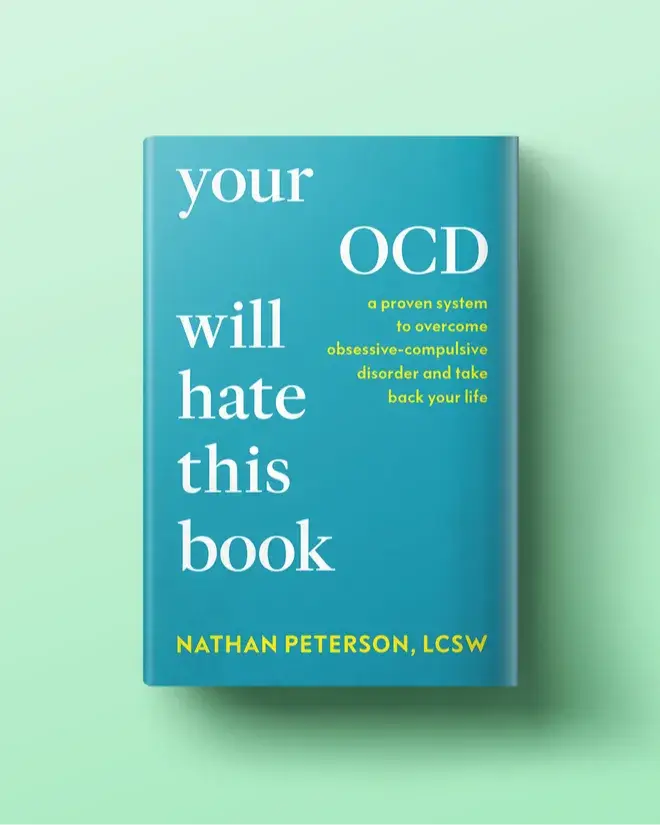
Author